


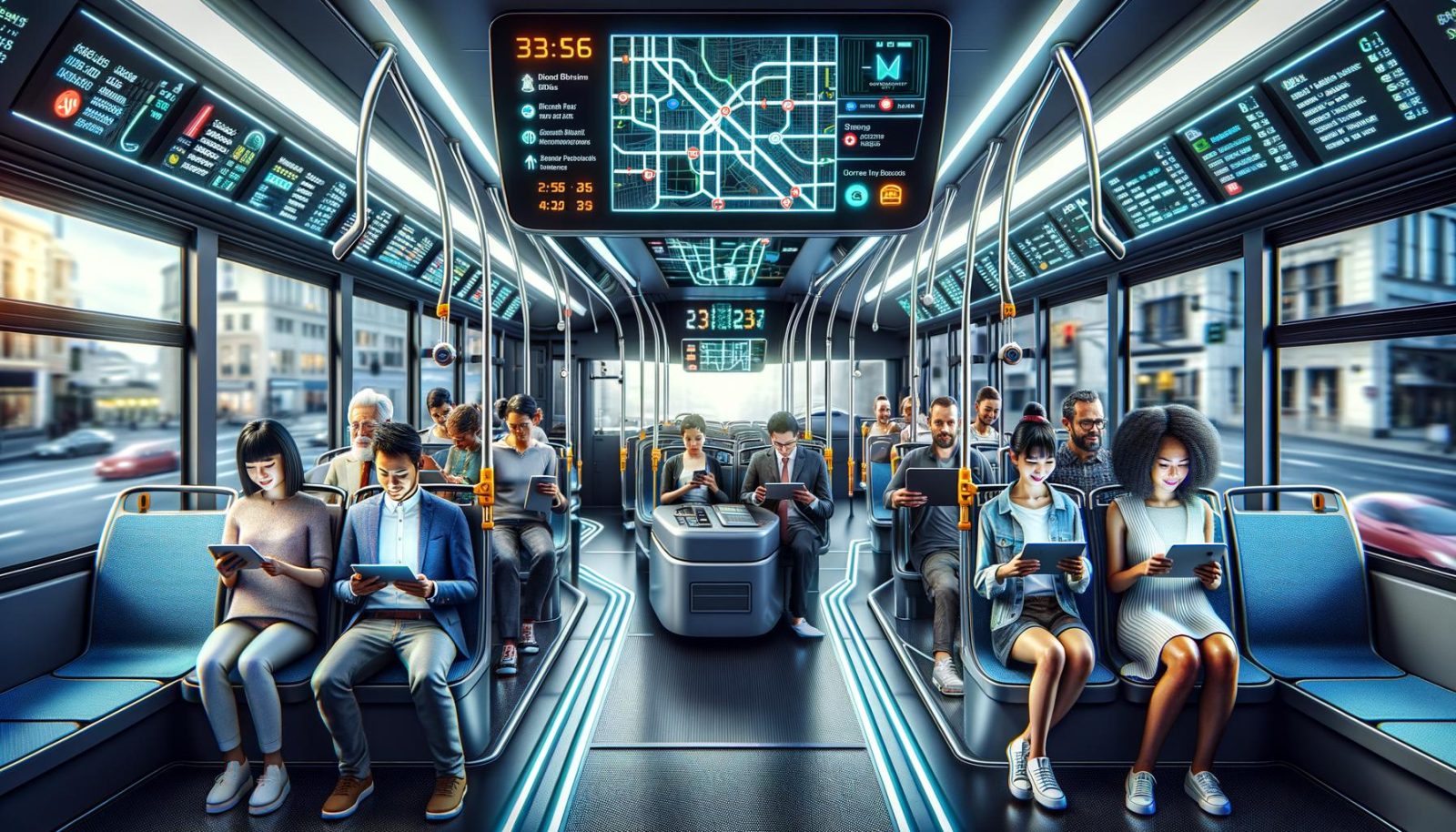
Introduction to technology in public transportation
Hop on board as we explore the dynamic intersection of technology and public transportation! From futuristic innovations to everyday conveniences, the impact of tech on our commuting experiences is undeniable online pokie. Join us as we delve into how advancements in technology have revolutionized the way we move from point A to point B.
Advancements in transportation systems due to technology
Technology has revolutionized public transportation systems, making them more efficient and user-friendly. From the introduction of contactless payment methods to real-time tracking apps, commuters now have access to a seamless travel experience.
Advancements like GPS navigation systems and predictive maintenance tools have enabled operators to optimize routes and schedules, reducing delays and improving reliability. Additionally, the integration of smart sensors in vehicles allows for better monitoring of performance metrics, leading to quicker response times in case of emergencies.
With the rise of electric buses and trains powered by sustainable energy sources, technology is also playing a crucial role in promoting environmental sustainability within public transportation networks. These eco-friendly alternatives help reduce carbon emissions and minimize the overall ecological footprint of urban mobility.
Moreover, advancements in surveillance cameras and facial recognition software have enhanced safety measures on public transport, deterring criminal activities and ensuring a secure environment for passengers. As technology continues to evolve rapidly, we can expect further innovations that will shape the future of public transportation for the better.
Impact on efficiency and convenience for commuters
Technology has revolutionized the way commuters experience public transportation. Gone are the days of long waits at bus stops or uncertain train schedules. With real-time tracking apps and digital displays, passengers can now plan their journeys with precision.
Ticketing systems have also evolved, allowing for contactless payments and mobile ticketing options. This not only saves time but also reduces the need for physical tickets or cards.
Efficiency has been significantly boosted through predictive maintenance technology that helps prevent breakdowns before they happen. This means fewer delays and smoother rides for everyone on board.
Moreover, ride-sharing platforms and on-demand services have made commuting more flexible than ever before. Whether it’s a last-minute change in plans or unexpected traffic, technology provides alternative routes and modes of transport to keep things moving seamlessly for commuters everywhere.
Challenges and limitations of technology in public transportation
While technology has greatly improved public transportation systems, it also comes with its own set of challenges and limitations pratham institute. One major issue is the upfront cost of implementing new technologies, which can be a barrier for some cities or regions with limited budgets. Additionally, not all commuters may have access to the latest tech devices required to fully utilize modern transportation services.
Another challenge is the reliance on complex systems that are prone to malfunctions or cyber-attacks, potentially disrupting services and causing inconvenience for passengers. Moreover, there is a need for continuous training and maintenance to ensure that technological advancements in public transport are utilized effectively and safely.
Furthermore, integrating various technologies from different providers can sometimes lead to compatibility issues or communication breakdowns between systems. This interoperability challenge requires careful planning and coordination among stakeholders to ensure seamless operation without disruptions for commuters.
Positive effects on the environment and sustainability
Technology has revolutionized public transportation, making it more environmentally friendly. The shift towards electric buses and trains powered by renewable energy sources has significantly reduced carbon emissions. This transition contributes to cleaner air quality in cities and helps combat climate change.
Moreover, advancements like real-time tracking systems optimize routes, reducing fuel consumption and overall environmental impact. Additionally, the integration of smart ticketing systems encourages greater use of public transport over private vehicles, further decreasing greenhouse gas emissions.
Efforts to implement eco-friendly practices such as solar-powered stations and energy-efficient infrastructure showcase a commitment to sustainability within public transportation systems. These initiatives not only benefit the environment but also promote a greener way of commuting for passengers.
Technology plays a crucial role in promoting environmental consciousness and sustainable practices within public transportation networks.
The role of technology in improving safety and security
Technology has significantly enhanced safety and security in public transportation systems. Surveillance cameras installed in buses and train stations help monitor activities, preventing potential criminal incidents. GPS tracking enables real-time monitoring of vehicles, ensuring routes are followed accurately.
Emergency communication systems allow passengers to quickly report any suspicious behavior or emergencies to authorities for immediate response. Automatic braking systems in trains and buses can prevent collisions and reduce the risk of accidents due to human error.
Biometric scanners for access control ensure only authorized personnel have entry to restricted areas, enhancing overall security measures. Additionally, predictive maintenance software helps identify potential issues with vehicles before they become safety hazards.
By leveraging technology advancements, public transportation systems continue to prioritize passenger safety as a top priority while improving overall security measures across various modes of transport.
Future advancements and potential for further improvements
As technology continues to evolve, the future of public transportation holds great promise. Advancements such as autonomous vehicles, real-time data analytics, and smart infrastructure are set to revolutionize how people move around in urban areas. These innovations have the potential to further enhance efficiency, reduce congestion, and improve overall commuter experience.
With ongoing research and development in the field of transportation technology, we can expect to see even more seamless integration between different modes of public transit. This could mean smoother connections between buses, trains, and ridesharing services, ultimately making it easier for passengers to reach their destinations with minimal hassle.
Additionally, advancements in sustainable energy sources like electric buses and light rail systems will play a crucial role in reducing carbon emissions and promoting environmental sustainability. By embracing these eco-friendly solutions, cities can work towards creating cleaner and greener public transportation networks for the benefit of both passengers and the planet.
In terms of safety and security, technological innovations such as predictive maintenance systems and enhanced surveillance capabilities will continue to enhance passenger safety while deterring criminal activities on public transport networks.
The future looks bright for public transportation systems thanks to ongoing technological advancements. By harnessing the power of innovation and embracing new possibilities, cities around the world can create more efficient, convenient, safe, and sustainable transit options for all commuters. The journey towards a smarter future for public transportation has only just begun!








Leave a comment