


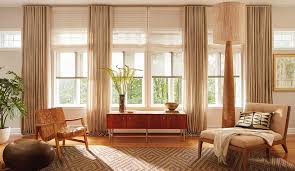
Layered window treatments are one of those details that instantly make a room feel finished. Not just decorated, but considered. Intentional. Designed.
If you’ve ever walked into a space that felt soft yet structured, bright yet cozy, elegant but livable, there’s a strong chance layered window styling was quietly doing the heavy lifting.
Interior designers rarely rely on a single curtain or shade. Instead, they think in layers, combining texture, opacity, structure, and movement to create depth and flexibility. The good news? You don’t need a design degree to pull it off.
Here’s how to layer window treatments like a pro.
Step 1: Start with Function First
Before fabric, before color, before pattern — think function.
Ask yourself:
- Do I need privacy?
- Do I need light control?
- Is insulation important?
- Is this room formal or casual?
Layering works best when each element serves a purpose. For example, in a living room that gets intense afternoon sun, a base layer that filters light paired with a heavier outer layer for insulation creates both beauty and practicality.
Designers often start with shades as the foundation. Soft treatments like sheer roman shades are especially popular because they gently diffuse light without blocking it entirely. They provide daytime privacy while keeping rooms bright and airy, the ideal first layer in many US homes. Think of this as your “light management” layer!
Step 2: Add Depth with a Secondary Layer
Once the functional base is in place, the second layer introduces personality and depth.
This is where drapery panels come in.
Long panels framing a window instantly elevate a space. Even if they remain mostly open, they add softness and height. Hanging them close to the ceiling and allowing them to extend beyond the window frame visually enlarges the room—a designer trick that works every time.
If you want dimension and visual interest, this is also where patterned curtains shine. A subtle stripe, organic floral, or tonal geometric can transform a neutral room without overwhelming it. The key is scale: larger rooms can handle bolder patterns, while smaller spaces benefit from quieter prints.
Layering a pattern over a soft, neutral shade creates contrast without chaos. It’s structured, but relaxed.
Step 3: Play with Opacity and Texture
Layering isn’t just about stacking treatments; it’s about contrast.
Designers mix:
- Sheer with solid
- Matte with sheen
- Structured with fluid
Imagine a linen-blend shade paired with velvet panels. Or a smooth cotton roman shade layered beneath textured woven drapery. The variation in material creates richness that a single treatment simply can’t achieve.
In more formal spaces like dining rooms or primary bedrooms, heavier outer layers such as custom drapes bring polish and presence. They frame the architecture, absorb sound, and provide full light control when needed.
The inner layer manages light. The outer layer defines the room.
Step 4: Mind the Hardware
Here’s where many DIY attempts fall flat: hardware matters.
The curtain rod should feel intentional, not like an afterthought. In layered setups, the rod must project far enough from the wall to accommodate both the shade and the panels without crowding.
In some cases, designers use double rods. In others, roman shades are mounted inside the window frame while curtains hang outside it. The choice depends on window depth and architectural style.
Finishes matter too:
- Black iron feels modern.
- Brass adds warmth.
- Brushed nickel leans transitional.
- Wood rods soften traditional spaces.
Hardware is jewelry for your windows. Choose accordingly.
Step 5: Consider Proportion and Scale
Layering works best when proportions feel balanced.
Curtains should:
- Kiss the floor or lightly puddle.
- Extend 8–12 inches beyond the window frame on each side.
- Be mounted 4–8 inches above the window trim (or closer to the ceiling for drama).
Shades should fit precisely within the window if mounted inside. Clean lines are critical, especially when layering.
When done correctly, the result feels effortless. When proportions are off, the room feels awkward, even if the fabrics are beautiful.
Step 6: Coordinate Color Intentionally
Layering does not mean matching.
In fact, slight variation adds sophistication.
A few foolproof combinations:
- Soft white shade + warm taupe drapes
- Light gray shade + charcoal panels
- Neutral shade + subtle patterned outer layer
For example, pairing gray-based interiors with gray window roman shades creates cohesion without monotony, especially when the drapery layer introduces texture or contrast.
Keep undertones consistent. Warm with warm. Cool with cool. That’s the difference between curated and chaotic.
Step 7: Decide How Formal You Want the Space to Feel
Layering automatically adds visual weight. The more structured the outer layer, the more formal the room will feel.
For casual spaces:
- Linen curtains
- Relaxed roman shades
- Minimal hardware
For tailored, elevated rooms:
- Pleated drapery
- Heavier fabrics
- Defined folds
- Structured silhouettes
In many American homes, living room window treatments benefit from softness, while dining rooms or primary bedrooms can handle more structure. The beauty of layering is flexibility; you can open everything for light, close panels for intimacy, or adjust shades for privacy.
Step 8: Avoid Common Layering Mistakes
Even a good idea can go wrong. Watch out for:
Overcrowding the window
Too many layers can feel bulky. Stick to two, occasionally three, purposeful elements.
Competing patterns
If your outer layer is bold, keep the base neutral.
Incorrect measurements
Improper width makes panels look skimpy. Fullness is non-negotiable.
Ignoring function
A beautiful layer that doesn’t provide privacy or light control defeats the purpose.
Why Designers Love Layering
Layered window treatments add:
- Visual depth
- Softness
- Architectural emphasis
- Flexibility
- Insulation
- Acoustic benefits
But more than that, they make a home feel intentional. Single panels can look temporary. Layered treatments look designed. They tell the eye: someone thought about this.
Bringing It All Together
If you’re new to layering, start simple:
- Install a functional shade inside the frame.
- Add full-length panels outside the frame.
- Choose fabrics that complement, not compete.
- Mount hardware high and wide.
From there, refine based on your home’s style.
A breezy living room might feature sheer filtering shades paired with soft, textured curtains. A more tailored space might combine structured shades with elegant outer panels in a rich, weighty fabric.
Layering isn’t about excess. It’s about balance.
When done well, your windows won’t just frame the view; they’ll frame the entire room.








Leave a comment