


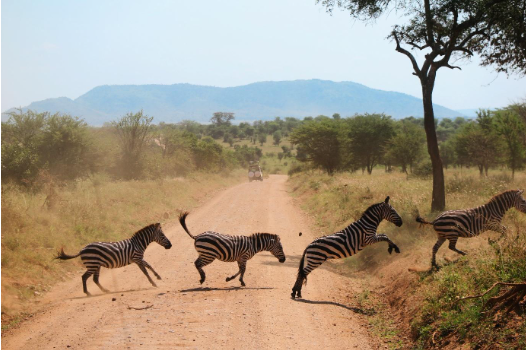
Most travellers imagine a Tanzania Safari as something entirely natural. Open plains. Quiet forests. A gathering of elephants in the distance. A vehicle gently rolling across the savanna while birds rise from the grass. It feels untouched and almost timeless. Yet behind that quiet landscape sits an unexpected layer of technology. It is subtle. It never interrupts the wild. But it plays a significant role in making the modern safari smooth, safe, and deeply rewarding.
Understanding these tools adds a new perspective to the experience. It helps travellers appreciate the work that makes each journey feel effortless. Even in one of the most remote travel destinations in the world, there is a silent network of devices, systems, and innovations that keep everything running.
Navigation Tools That Bring You Closer to Wildlife
A Tanzania Safari guide does not rely solely on instinct, though it is part of the job. Today, guides use a mix of old knowledge and modern navigation tools to create the best possible experience for travellers.
Many vehicles are equipped with digital maps that track position within large parks. Some guides use handheld GPS devices to avoid getting lost in areas with few landmarks. These tools are not used constantly. They only appear when needed, especially during long cross-park transfers or when searching for a specific sighting reported by other guides.
This mix of traditional tracking skills and modern navigation is one of the quiet secrets behind the Best Safari Tours in Tanzania. It turns a vast wilderness into a place guides can read with confidence.
Radio Communication That Connects the Bush
One of the most essential tools on a safari is also one of the simplest—the radio. Every vehicle uses a radio network to communicate with other vehicles. It is how they share sightings, road conditions, and updates about animal movement.
Radios make safaris smoother without disturbing the wildlife. They limit unnecessary driving. They help guide to avoid long waits or congested areas. They help travellers reach interesting sights on time.
This system is handy in places like the northern Tanzania Safari Destinations, where distances can be vast. A quick call between guides can turn a quiet drive into a moment guests never forget.
Camera Traps That Reveal the Unseen
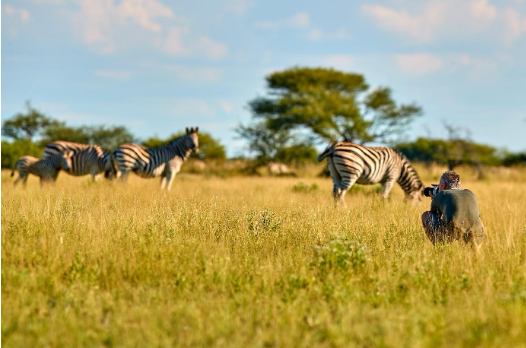
Many wildlife teams use camera traps inside the popular Tanzania National Parks. These small cameras record movement at night or in quiet corners where animals travel. Although guests do not always see the footage, the information helps guide understanding of patterns of predators and large mammals.
This technology supports both conservation and guest experience. When rangers know how lions, leopards, or hyenas are moving, they can guide travellers more safely and more informatively. It also protects animals by monitoring behaviour changes, territory shifts, and seasonal movement.
Camera traps add a scientific layer to the Tanzania Safari Experience without taking away the sense of mystery.
Drones Used for Conservation, Not Tourism
Travellers sometimes assume drones are used for filming safaris. They are not. Drones can disturb wildlife, so they are not part of regular game drives. But rangers and conservation teams do use drones when needed for anti-poaching patrols, counting animals, or monitoring remote areas.
These operations are done far from travellers. They strengthen the long-term safety of wildlife populations and support the sustainability of future safaris. Without these tools, park teams would need many more hours of ground patrols, often under challenging landscapes.
Electric Systems in Camps
At first glance, safari camps look traditional. Canvas tents. Lanterns. Open spaces. Yet many of these camps rely on well-managed energy systems.
Some camps use solar power for lighting and hot water. Others use energy banks that charge during the day so guests can enjoy comfortable evenings without noise. Water systems are often filtered and protected through modern technology that remains invisible to guests.
These systems allow camps to create a sense of comfort in remote wilderness while still protecting the environment. They also reduce the need for large generators, which supports the peaceful atmosphere travellers love on Safari Tours Tanzania.
Digital Logistics Behind the Scenes
A safari often includes several destinations. A traveller might move from one park to another, then from a camp to a lodge, then onward to a flight or a new region. Behind these movements is a network of digital planning tools used by operators.
These systems manage:
- Flight times
- Vehicle assignments
- Park entry logistics
- Guest dietary notes
- Travel documents
- Tanzania Accommodation details
- Packing reminders such as the Tanzania Safari Packing List
Guests rarely see this system, but it creates smooth travel even in remote regions. It reduces wait times, keeps communication clear, and ensures a sense of flow from start to finish.
Wildlife Monitoring Technology That Protects the Land
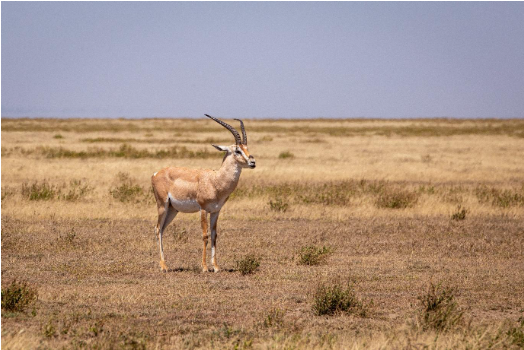
Some animals are fitted with small tracking collars. These collars help conservation teams understand movement routes, breeding patterns, and territory boundaries. They also support the long-term health of wildlife populations.
The information is used carefully. It guides decisions about park roads, tourist routes, and sensitive areas. It also helps prevent conflict between humans and wildlife in communities near the parks.
When travellers take part in Tanzania Safari Tours, they benefit from these invisible layers of management. They enjoy landscapes that remain healthy and protected.
Weather Tools That Help Plan Daily Activities
Weather shapes safari life. Rain can change road conditions. Wind affects animal movement. Temperatures can shift the best times for game drives.
Guides use weather apps and park forecasting tools to plan each day. These details make safaris safer and more comfortable. They also help travellers know the Best Time to visit Tanzania during different months.
Weather knowledge is one of the simplest but most effective ways to enhance a safari.
Small Tools That Make a Big Difference
Some technologies used on safaris are minimal but carry tremendous value. These include:
- Charging stations for cameras
- Satellite communication
- Temperature-controlled food storage
- Water purification systems
- Handheld lights for night walks
- Digital checklists to prepare vehicles each morning
These details may seem small, yet they allow guests to focus on the beauty of the experience without worrying about logistics.
Why This Hidden Technology Matters
Technology is not the central theme of a safari. The land, the wildlife, and the feeling of being in a natural world untouched by time remain the actual draw. But modern tools allow travellers to enjoy this world safely and comfortably. They support guides. They support wildlife. They support the flow of the journey.
A safari today is a balance. Nature leads the way. Technology supports quietly from behind. Together, they create a Tanzania Safari Tour that feels effortless while being carefully crafted.
Plan Your Private Tanzania Safari with Best Day Safaris
For travellers seeking a safari that blends traditional wilderness with modern comfort, Best Day Safaris offers private journeys carefully designed. Their experienced guides, well-equipped vehicles, and thoughtful planning ensure a smooth and meaningful experience in the wild. Let their team guide you through Tanzania with confidence and genuine hospitality.











Leave a comment