





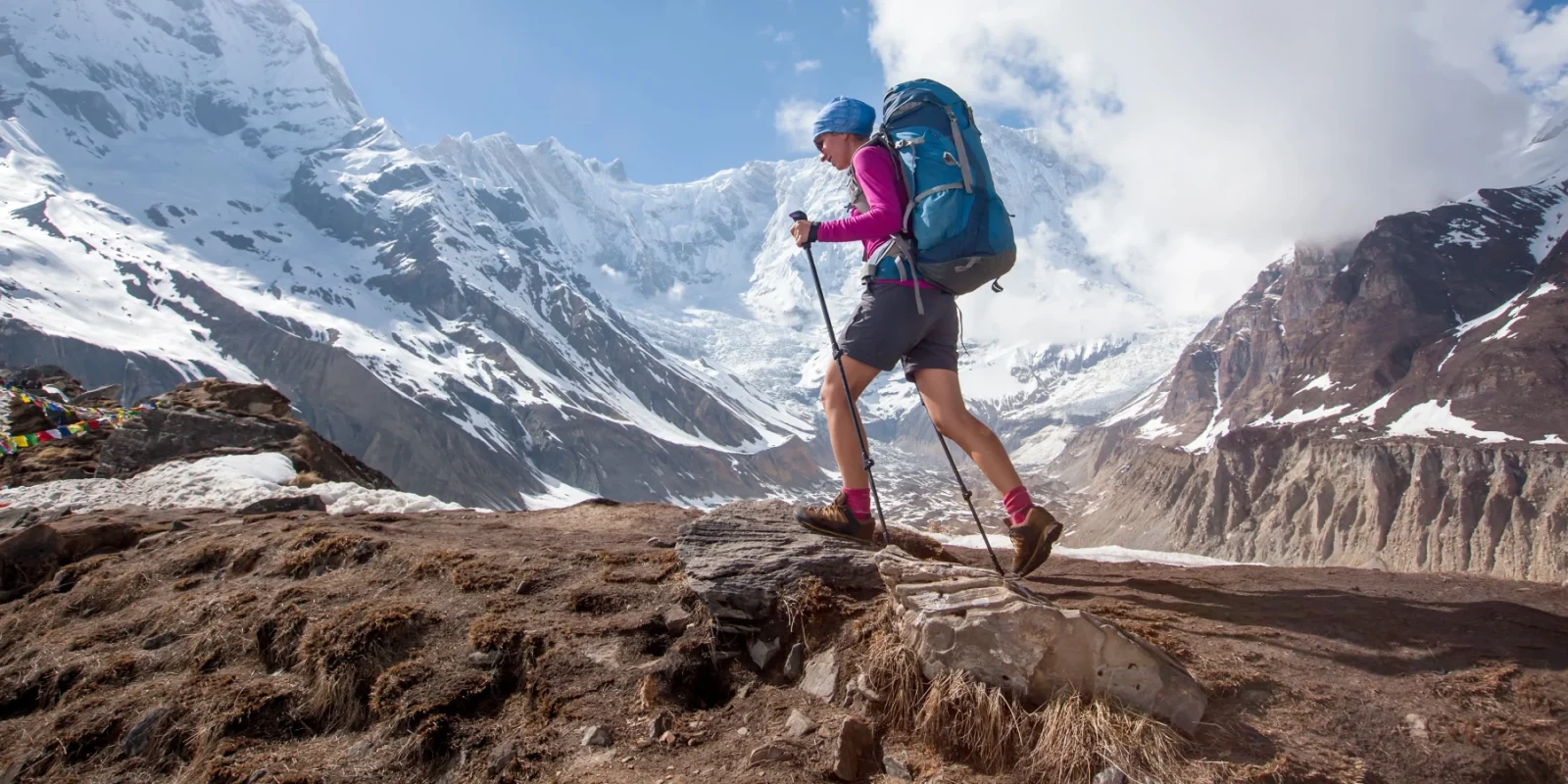
The Annapurna Circuit, one of the most famous of all treks, presents a unique opportunity to come to Nepal and view her Himalayan splendor. This trek encircles the Annapurna massif. Over 200 kilometers (125 miles) long, it places you in many different landscapes: from subtropical land to a terrain like Tibet stretching high overhead. The trail offers more than just a physical challenge for participants. You’ll also have a chance to understand the rich culture and customs of Nepal’s people up close. Nicknamed the “Sherpa’s Trails” as it passes noble Annapurnas and sacred Dhaualagiri, this unique journey with a guide at your side gets an even richer story for there is a form of security.
Trekking with Sherpas on the Annapurna Circuit Trekking is certainly no walk in the park. Themselves skilled mountaineers and guides, Sherpas are important to the region’s history and culture. With their thorough knowledge of terrain, weather patterns, and adaptation methods for high-altitude environments, they are most indispensable companions on your trip. The Sherpas have been leading treks for generations and they understand the mountains so well. For trekkers, such expertise provides safety and helps them reach new heights without excessive risk of altitude sickness.
At the outset, you set forth from Besisahar amid the bustle. As you go up, the world around you changes drastically. Mid-mountain levels splay out in rich biological diversity–with thick woods of rhododendron, magnolia, laurel, and bamboo everywhere that’s blue. But higher up, they fall away to suffer wind-stripped plains or steep cliffs. Along the way you will pass picturesque village communities such as Manang, Pisang, and Muktinath, where local people kindly offer respite from this strenuous journey. With a Sherpa guide, you’ll learn about traditional ways of life in these Indigenous communities through the stories they tell about their history, customs, and beliefs.
The Annapurna Circuit offers one of its greatest challenges as well as rewards in crossing the Thorong La Pass, which stands at 5,416 meters above sea level. Yet with a Sherpa along to help, this hard segment of the route gets that much softer. Sherpas have been expert trekkers of high altitudes since ancient times. Their knowledge of how to acclimatize properly, to the land, climate, and situation is invaluable at this stage in ensuring you make it through safely.
What’s more, Sherpas gives you more than just physical support. When crossing these most arduous stretches of the trek, they act as a psychological support system for their clients in hard moments–while leading kindly along with them at other times thereby fostering collective mental toughness and camaraderie among all trekkers. At that sort of point, their encouragement and practical tips make these staging posts appear tempting to all in the group alike. Their positive attitude and professional touch transform the trek into an unforgettable journey where personal accomplishments are married to the exploration of such a beautiful land as Annapurna. After all, through a Sherpa-guided trek in the Annapurna Circuit, you not only save lives and improve the trip quality, but grow this much closer to folks who lead you around.
About the Annapurna Circuit
The Annapurna Circuit Trek is one of the most famous and iconic trekking routes in Nepal. Adventurers from all over the world are attracted here by the trek. The path displays rugged terrain, and diverse surroundings with breathtaking views of the mighty Annapurna mountain range mixed in for good measure. Depending on the route taken, it stretches between naturally lush valleys to human-altered high-altitude deserts. Walking across broad expanses of alpine forest that take us away from civilization and traditional villages (which are about as traditional as one can get without being an ice cave or hovel) is also part of the deal here. Eventually, you’ll arrive at Thorong La Pass -5,416 meters high–and be able to enjoy panoramic views of snow-capped peaks there.
This route is well-regarded for its variety, offering trekkers a blend of strenuous challenges and rich cultural experiences. They pass through ethnic villages inhabited by various peoples, such as the Gurung, Thakali, and Magar, as they go. They can talk with locals and discover the ancient culture of the place as they or traverse the Annapurna Circuit. The Annapurna Circuit also passes through the Annapurna Conservation Area, a protected region known for its biodiversity, and provides a dazzling array of flowers and animals that will define the term “bouquet”.
There is something for every level of trekker on the Annapurna Circuit Trek. The gradual rise in altitude means that, one step at a time, you will become acclimatized to the height. Climbers who seek challenges or desire an encounter with local culture and traditions, as well as people interested only in seeing the beautiful sights of the Himalayas for themselves all find their place here. It’s really one of the top trekking destinations in Nepal because it has a little bit of everything for everybody.
Why Trek the Annapurna Circuit The Annapurna Circuit Trek is considered by many to be a “bucket ” trek for adventure enthusiasts and with good reason. Trek rivers. Mountains. Forests… yeah, it’s all there! The Annapurna Circuit is wild in a way few treks can match. everything from ancient woods trees to a high alpine desert, in ten days.
Annapurna Circuit Trek Difficulty Among the attractions of the circuit is its tremendous variety. Unlike many other routes, the Annapurna Circuit leads trekkers across a variety of climatic zones. This means they can experience just about anything in an hour’s walk which would take 100 miles anywhere else on earth.
The trek also affords spectacular views of some of the highest, most famous peaks in the world, such as Annapurna I, Dhaulagiri, and Machapuchare ( Fishtail ). Additionally, it enables trekkers to pass through remote villages where they can observe life-concrete and historic listed as World Heritage Sites in their own rights, including those of the Gurung, Thakali, and Magar peoples.
For those seeking a rigorous physical challenge, the Annapurna Circuit promises a moderately strenuous climb with its gentle incline to Thorong La Pass, sitting at 5,416 meters. The trek also provides an immense sense of achievement once it’s over. With these kinds of stakes involved who wouldn’t want to risk their neck? And let’s face it, the Annapurna area is one of the most bio-diverse regions on earth, with all kinds of mosquito-eating birds and insects everywhere you look. trails for even beginners.
As great as its mountains can be seen across an entire plane from east to west, it has no rivals in Nepal or any other country for that matter. In other words, one stage of the trek fords along a river where tumbleweeds blow of their own accord away from the current.
The Function of Sherpas in Trekking TravelsSherpas accompany mountain walks and other tourism activities in Nepal. Including for peak treks, such as the Annapurna Circuit, Sherpas are valued for their depth and experience in mountaineering, as well as their low-altitude skills. For trekkers who want to tackle the rugged, mountainous landscapes of Nepal, Sherpas’ detailed knowledge of the region’s topography and weather conditions, combined with their grasp of local culture and life customs all act to make them first-class guides in searching solid ground Sherpas are experts enough to negotiate the treacherous terrain of the Annapurna Circuit. They can steer trekkers onto safer paths, avoid getting bogged down in thorny bushes, brush away rocky outcrops that might be dislodged by wind blasts or heavy rain showers and so pose a threat to those walking below them. At the Thorong La Pass, Sherpas also play a key role in overseeing acclimatization, which is necessary so that trekkers do not suffer from altitude sickness in body parts exposed to high altitudes for too long periods of time. As well as their technical knowledge, Sherpas offers insights about local customs. They often serve as a link between hikers and local communities, introducing the lifestyles and traditional customs of people living in the Annapurna Area. By speaking both Nepali and assorted indigenous languages, they ensure that walkers will be able to chat with local people wherever they go along their way、A day trek done at the right time or altitude. Nepalese Sherpas are good company during any trek. Not only will they take you through rugged terrain without incident, but they will also add to your adventure with their wisdom all along the route, making sure you gain maximum experience during your Annapurna Circuit trip.
Prerequisites of Annapurna Circuit Trek
Before embarking on the Annapurna Circuit, it is essential to prepare thoroughly. Although the trek is feasible for most trekkers, it is important to be in good condition, both physically and mentally if you want to complete it satisfactorily without getting hurt or becoming exhausted. The first step in preparing to meet this challenge is to check that you are in good physical condition. Plenty of cardiovascular exercise and strength training are essential because the trek consists of days of walking long distances over varied terrain. One technique for preparing to carry a load on such hills is by walking with a weighted backpack.
In addition to good health and preparation, you should have the right equipment. Good trekking boots, layered clothing for different temperatures, and a warm sleeping bag: these are all essential. So is a headlamp and/or flashlight, borrow plastic bags for invaluable protectiveness of your camera; these should be kept separately from each other with rubber bands since taking them out again can be awkward if you need to snag one quickly. Walking sticks or pool noodle-type trail sticks iron-leisurely walken a block seat on an uneven footpath, padded rain jacket with outdoor gear melts the power of the mountains off mountainside; otherwise, wind cold should not be underestimated. However dry clothes that are not completely Nature air pocket free are especially dangerous during rainstorms while camping overnight at higher altitudes because this small amount of water can cause one’s body heat to escape rapidly through capillary action and expedite. A packable poncho or light jacket in addition to good rain gear will keep you dry.
Annapurna Circuit Trekking Route The fluctuating altitudes of trekking also require acclimation, and therefore altitude sickness must also be taken into account. Gradual ascents, plenty of fluids, and hearty meals filled with nutrients are all methods of dealing with the condition. It is also a good idea to talk to a doctor before departing so that you can get advice on problems like how altitude sickness can be avoided and what vaccinations are needed.
Finally, be sure to have the proper permits. This includes a Trekkers Information Management System Card (TIMS), as well as an Annapurna Conservation Area Permit (ACAP). With thought and rational planning, your trek will be both enjoyable and greatly rewarding.
Key Highlights of the Annapurna Circuit
The Thorong La Pass, which stands at 5416 m high, is one of the highest trekking peaks in the world. This makes it a major highlight of the Annapurna Circuit. The views from here are truly stunning and include Annapurna, Dhaulagiri, and Manaslu mountain ranges virtually at your fingertips. As you stand at Thorong La looking at this wondrous sight– your heart lurches with awe, rely, and pride all rolled into one. In addition to this natural wonder there is a cultural highlight for truly any trekker-the vibrant village of Manang. This is both a good place to get acclimatized and make a base for the surrounding area. Along the trail you’ll pass through any number of such Manang villages, each with its monastery, temples, and markets; all adding yet another spiritual and cultural aura to this marvelous journey through Nepal’s third kingdom. The picturesque town of Jomsom in the Kali Gandaki Valley is another highlight. Here people of both Tibetan and Nepalese culture gather and meet. Summiting the pass, then descending steeply south into Manang, it takes a day to get back to a host atmosphere for changing money just before you strike out towards Chame which is known as the gateway village for all expeditions en route Annapurna Base Camp plus a much-needed place to swap one ‘GH-centered’ breakfast or day warm enough with already melted watermelon picked in the morning. Throughout the trek, particularly in late winter and spring, are the bamboo clogging forestations of dense rhododendron blooms. Wetlands exist in all their natural state as well with ponds at each interval harmonious sapphire. At intervals, you leave the luxuriant sub-tropical forests behind and embark upon a trek into dry, barren mountain deserts. Throughout the Annapurna Circuit’s ever-changing landscapes wherever you look there is something new and something wonderful waiting to be discovered. The breathtaking mountain views add another dimension to all of this natural beauty. Often unexpected encounters with the local inhabitants-whether human or yet so much alive inside their old wooden houses sitting atop lands muddied by landslides– add still more memories into what I am sure must be most people’s fondest memories of trekking in Nepal. For those who loved Jung Havel-ka’s novel “Gandhi”- those “Meeting Choe-mixing” and “Touched by the Sun” chapters are all there should you wish to re-visit them, or view with your children a place out of another era: Jomson town with its wood backdrops for movie making which has earned its own secondary mention now above. The people who live in these villages are farmers belonging to the Gurung and Thakali tribes. For them, the Annapurna Circuit is more than just a trek. The trek goes into the hills in the northeast of the AnnapurnaFitRange, not into them. Under a catch-all phrase, it starts at Jomsom and Rupe separates from Annapurna II only to meet again many miles to the south East At another place it separates Annapurna III, and at still other places it also separates Annapurna IV and Annapurna South. It ends at Manang in the loop starting from Naurah Bay before again meandering once upwards towards Tukuche village. In between these Indigenous groups, both a large number of different ethnic members (Tamang, Sherpa, Lama, Chhairot, Bhote, etc) and of migrant workers from lowland Nepal and other parts of India and the Subcontinent who have joined them, mainly from seasonal work in agriculture, have all chosen to settle here. The Chas young people introduced the apple to take one example.
Understanding the Trekking Route
The Annapurna Circuit is a circular route that starts and ends in different towns. This enables trekkers to experience the ‘complete’ landscape and culture of Nepal. It begins at Besisahar, a small town that marks the start of the circuit, and goes through various villages and towns as you make your way towards the Throng La Pass.
Although the views are often considered as rather bleak, in fact, there have been few if any complaints about returning home.
The initial stages take you through subtropical forests while sampling vibrant local colors, passing through the villages of Bahundanda, Chyamche, and Jagat. As your ascent continues, the surroundings change to alpine meadows and higher elevations with places like Pisang and Manang visited along the way.
As you approach the Thorong La Pass, the ascent goes on and you acclimatize several times to reduce the risk of altitude sickness. After crossing the pass, the trail descends through the Kali Gandaki Valley, passes Jomsom, and ends either at Tatopani or Pokhara depending on your direction.
Annapurna Circuit Trek Guide Throughout its length, accommodation and food can be found in many teahouses, as well as on the trail itself. These offer more possibilities than tents and make walking the route more suitable for a wider range of levels of expertise.
The mix of rocky paths, lush forests, and parched deserts makes the walk constantly interesting. It offers one new challenge and experience after another to anyone who takes it on.
Or Avoiding High Altitude Sickness
It is important to acclimatize to high altitude in order to complete the Annapurna Circuit, as some parts of the trek reach altitudes around 5,416 meters, such as the Thorong La Pass. Altitude sickness can be life-threatening if not treated properly, and the trek’s gradual ascent is tailored to help you acclimate along the way. One of the key tips for managing altitude is to take it easy. Ascent should be gradual, allowing time for your body to adjust to the decreasing oxygen levels; so don’t rush it up a mountain.
At pivotal places like Manang and Phedi, take some days of rest. This way you spend most of the day ascending to high elevations and then return at night, the strategy known as “climb high, sleep low”.At high altitudes, dehydration can make symptoms of altitude sickness worse. Drink lots of water and consider adding oral rehydration salts, which help keep the electrolyte balance tilted in your favor. It is also important to eat nutrient-rich meals to maintain energy levels- But more on that later!
If you start to feel any symptoms of altitude sickness, such as headaches, dizziness, or nausea, it’s paramount to talk with your guide or Sherpa right away. They will evaluate the situation and decide if you need to descend into lower altitudes. The key way of preventing severe altitude sickness is regular monitoring of your condition by experienced guides.
Local Culture and Tradition Along the Track
The Annapurna Circuit passes through a rich cultural tapestry. It’s a trek with beautiful views but also an exploration of local lifestyles. Along the way, trekkers can drop in on traditional villages where they may be able to observe or engage with local customs, beliefs, and living conditions. To extend their interest beyond his next meal, the inhabitants of the Annapurna region, they are Gurung, Thakali, and Magar ethnic groups, have maintained their traditions for centuries–something the trek embodies.
There are also many monasteries, prayer flags, and Buddhist stupas along the trail. These sanctuaries allow insight into the heightened Kapinayan performative torches (Buddhism) and their decadent rituals. There are monasteries in nearly every village on the circuit, such as Manang and Pisang, where trekkers may participate in a silent moment or take a look around to learn more about Buddhist habits and lifestyle practices.
People there have very traditional gestures and mores, accordingly if a trekker is fortunate enough to coincide with their activities- weddings and, festivals he’ll learn the local language; Sam-scratched Dal bhat ( a traditional lentil dish that takes several weeks), momo (dumplings) and yak cheese. And most exciting of all are the interactions with other people! So the combination of these two elements makes the Annapurna Circuit not only an outdoor challenge, but also a true microcosm of Nepal culture.
Navigating the Annapurna Circuit with a Sherpa
Navigating the Annapurna Circuit with a Sherpa guide offers one of the best opportunities for improving your trekking experience in the Himalayas of Nepal. No other people are thought to know the idiosyncratic topography, weather, and unique obstacles of this area as well as Sherpas do. With their expertise at your service, they will be able to spot hazardous conditions and sections of trail for hikers to avoid—as well as any onset of altitude sickness—so that there is a smoother adventure.
What Sherpas do as guides goes beyond simply showing the way. They are blood relatives, caring for trekkers’s bodily condition continuously throughout the circuit. With a good understanding of acclimatizing techniques, they helps you get used to higher altitudes and lessen the chance of altitude sickness. They also set a manageable pace on the trek, allowing frequent rest days in strategically situated villages along the way.
Annapurna Circuit Trek Itinerary Having a Sherpa along also means a more profound cultural experience. Sherpas often tell trekkers about local customs, religion, and traditions—in addition to showing them the land of their forefathers. Their extensive acquaintance with the circuit and personal relationship to it mean that they can lead trekkers not just along the safest, most picturesque routes but also to out-of-the-way jewels that might be overlooked by solo walkers.
So in essence, doing the Annapurna Circuit with a Sherpa helps ensure because there is a reliable, able guide at your side, that it becomes individually safer, more educational, and even richer still.
And Assistance Throughout the Trip
Because of the high altitude, there are clear safety guides in place to trek the Anapurna Circuit. A sherpa guide is a great way to ensure your safety. They have the skills to spot early signs of elevation sickness and take immediate action, including recommending days of rest or a descent to a lower height.
Sherpas are also extremely adept at handling the track’s many physical challenges, such as negotiating rough trails, capricious weather, and difficult terrain. They carry essential safety tools and have training in basic first aid. Sherpa guides also tote supplies like oxygen tanks and emergency medications, meaning that trekkers will have immediate access to medical aid if needed.
Acclimatization is yet another important safety aid. Directly managing the pace of the trek, Sherpas makes sure it allows for proper acclimatization . From when you should take breaks to resting time they lead the way. This way, minimizes the risk of altitude sickness to the traveler. They also see that trekkers are aware of the symptoms – dizziness, nausea, and shortness of breath; these can all indicate an issue.
In addition, Sherpas have deep knowledge of the terrain, local weather patterns , and potential threats. This guarantees that trekkers will be safe anywhere between Debra and Annapurna South, providing the Annapurna Circuit trek adventure with greater security and enjoyment.
The Flora and Fauna of the Annapurna Regions
The Annapurna Circuit is more than just a trek through some awe-inspiring mountain landscapes: it is also a chance to behold the richness of Himalayan natural environments. The variety of ecosystems along this trail is truly remarkable; for example in no time at all one moves from subtropical forests to treeless, alpine grassland and then on up to ice and snow-capped high mountains eventually wilderness-like deserts over 5000 meters into one day’s walk.
At lower altitudes, the trekker slogs through dense rhododendrons and oaks that are home to an incredible variety of species. The forests are houses for, among other things, monkeys, wild boar, and Himalayan tahr, a rare type of goat. Bird watchers have a plethora of species to look at: pheasants, eagles, and, with luck, the elusive griffon vulture.
As altitude increases, flora changes. In the higher areas, it becomes vast alpine meadows filled with blossoming wildflowers; and you will meet juniper, for example, among shrubbery like that. Forests gradually thin out and a rough barren landscape takes over. In these areas, despite a lack of vegetation, the harsh surroundings are lightened a little by occurrences such as blue sheep, snow leopards, and mountain goats.
The Annapurna Circuit’s rich and diverse flora and fauna ensure that nature lovers making this trek will have plenty to look at on their way across a variety of ecosystems. You’ll see wildlife living in their natural habitats, together with alternative ways of life for entire villages, all on one trek.
FOOD, ACCOMMODATION, AND LOGISTICS ALONG THE WAY
Food, accommodation, and logistics are all major components of a successful Annapurna Circuit journey. With the help of a Sherpa guide, these are all made much easier. Along the trail, tea houses are scattered around. These small guesthouses offer shelter, food, and a bed. They provide a friendly atmosphere where trekkers can eat simple yet nourishing meals, consisting primarily of rice, lentils, vegetables,s and traditional Nepalese dishes like dal Bhat (lentil soup with rice) or momos (dumplings).
Places to stay are basic but comfortable and viewers can choose from private or combined rooms depending on the attitude house they choose Rooms may not be living but they will feel warm, and secure, and there is a difference at these high altitudes at night in colder weather. In some places, trekkers may even find hot showers, or Wi-Fi. But then again maybe not “It’s not all that easy to get all these amenities out here in the Mountains!”
In terms of human logistics, Sherpas and porters are the very best: they make sure that your equipment is properly packed and gets moved. We think about your needs. They work out your permits and wallah! Your trek is planned according to itineraries and preferences that make sense. They are also experts at handling surprising difficulties or changes in the weather and trail conditions and translating as they need those steps into adjusted schedules.
Annapurna Circuit Trek Cost If trekkers prefer to be as free and easy with their tracks as possible, hiking with a Sherpa ensures that all such practical questions–your meals, where you will sleep–are answered so that the surrounding countryside is what fascinates them, not whether they will get lost or where the next meal is from.
Environmental Impact and Responsible Trekking
The trend of keeping lodging costs down means that overpopulation can damage even an area like the Annapurna Circuit. Like every popular trek in Nepal, there are challenges to face here as well. The more people who come, the greater the effect on both natural environments and local communities. As a result, responsible trekking methods are more convenient than ever before. With a Sherpa guide, the impact can be kept minimal as they are strong promoters of environmental sustainability and responsible tourism.
Leave No Trace principles are well known to Sherpas, who teach trekkers to carry out their trash correctly and avoid disturbing the local wildlife. They also make sure trekkers respect the local customs and traditions, which are an intimate part of the environment here. By trekking with a Sherpa, you are contributing to the preservation of this region’s precious ecological balance and not leaving behind a damaging environmental footprint.
In fact, many Sherpas provide another dimension to the trekking experience in Nepal. These people not only raise a consciousness of the value to be gained from maintaining the pristine beauty of a landscape, but also work with villages along the way to ensure that everybody benefits when tourism is practiced in an environmentally sound fashion.
So, Taking a Sherpa along with you means that your trek becomes at once beneficial to both environment and people.
Best Time for the Annapurna Circuit The best season for the Annapurna Circuit Trek is, in fact, the two main trekking seasons: autumn (ma
The weather is reasonably stable during these periods; skies are relatively predictable and temperate, making it nice to trek then. Anyway, trails are almost always dry except in monsoon season or when there’s snow (usually only above 3000 meters), and the views are clear all around what any trekker needs from his/her experience of nature in Nepal.
In the autumn, cool, crisp air prevails and visibility is excellent-ideal trekking weather. In addition, the summer monsoon from June to August generally leaves tracks covered with rain clouds. This makes them wet and slippery; it gets quite difficult even for experienced trekkers who know their way around. Winter, lasting from December until February with frequent snow and freezing temperatures at higher altitudes, can be a harsh time for especially near the Thorong La Pass
Spring is another prime time for treks. With magnificent red views of the rhododendron forests in bloom and temperatures mild all around (though occasionally rather snowy up top), this surely must be one of the more enjoyable seasons to go off walking.
The best time to go and thus get the very most out of your trek is during these two Tai Ming. Periods, ensuring a safe memorable adventure.
Budgeting the Annapurna Circuit
The first step in a budget for the Annapurna Circuit Trek is to make sure that careful planning is done and all essential resources are with you-mapping.
Best time for Annapurna Circuit Trek The Trek pay, which can vary by cost may come with additional expenses of different nature depending on tax carry pricing.
On average, most trekkers expect to spend between $800 and $1,500 on a 15-20 day trek; For food, accommodation services, and permits, it costs anywhere from $800-$1500. permits themselves are about another US $90 or so depending on the prices of rice in the respective shop town you choose.
The main costs are getting to Nepal, accommodation, and food along the trail. Trekking permits can also inflate the prices somewhat: the Annapurna Conservation Area Permit (ACAP) and Trekker Information Management System (TIMS) card are both required to enter different parts of Nepal. The cheapest permit is US $9 for both of these cards.
For the most part, there is lots of relatively cheap lodging at just around the trail for under five dollars a night with better conditions than you can expect in more expensive places. Food usually runs between 50 cents and ten bucks in price depending on where specifically they are on this great walk route; the higher up one gets, naturally, both becomes more expensive or hard to find as well as down market (if one were to sell stock at such heights;) chaos then reigns–both with suppliers going dry because they only deliver at certain places per year among other complications which demand financially costly
Only the most expensive people on this trip will find this budget in doubt. Hiring a Sherpa guide for the trip also increases your Gratuities are optional and customary, ranging from 10 to 15 dollars per day per porter Tipping should be counted as a cost, presumably too.
In conclusion, it is a combination of careful planning and the coordination between money for permits, food, accommodation services, and guide services. There are multiple pitfalls on those final stretches when you transit through deep river valleys towards Tibet without so much as a chance of resupply if something goes wrong that could not be avoided earlier in the trip-disablement lung such as in 2002 happens all too often here! However, so long as proper attention not only to budget but actual reality tips all received from past travelers was good guidebooks have already been My brand new copy literally involves no extra expenses at all compared with other versions-an important first step towards a successful mission: being prepared.
Conclusion: Where a Sherpa is, Trekking Begins
The Annapurna Circuit Trek takes trekkers through dazzling landscapes unlike any other in the world as it truly offers a once-in-lifetime experience. From rich lush forests and terraced fields for growing crops, it leads on to hills with snow-topped peaks and alpine deserts temporary home of the world’s tallest mountains can be seen. For those who want to see Nepal’s natural beauty first-hand, this trek offers adventures no other place can match. With a Sherpa, this experience is augmented further. The expertise and local understanding that come with him increases safety and makes it a richer experience memorable.
Sherpas are the heart and soul of the Annapurna region. With them as guides, trekkers can not only get along on the main trails but also gain a deeper understanding of both the people and landscapes they encounter. With their help, trekkers can thoroughly enjoy any walking pleasure, allowing the magic of the Himalayas to dwarf all other concerns and leave arrangements up to their guides.
This is in the final analysis of what the Annapurna Circuit journey is all about. It’s not just an individual hike; it’s about the friends you make and their experiences, one should never underestimate how welcoming this place can feel on that treasured trip into some of the most incredible mountains in the world. With a Sherpa at your side this journey is surely more than a trip–it is something life-transforming and will stay with you forever.








Leave a comment